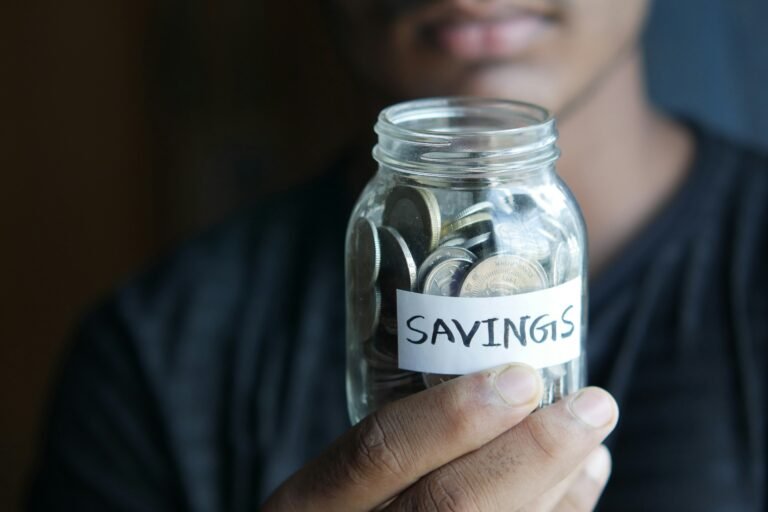

Struggling with debt on a tight budget can feel overwhelming, but you’re not alone—and more importantly, it’s completely possible to pay it off faster than you think. Whether you’re dealing with credit cards, personal loans, or student debt, taking the right steps now can save you hundreds—or even thousands—in interest payments and give you a sense of freedom you’ve been craving.
In this guide, we’ll break down step-by-step strategies to pay off debt fast, even if your income is low. By following these actionable tips, you’ll gain control over your finances, reduce stress, and start building a debt-free future.
Tip: If you haven’t started budgeting yet, check out our How to Budget Your Money Step-by-Step guide. Budgeting is the foundation for paying off debt fast.
1. Understanding Your Debt
Before you can create a repayment plan, you need to know exactly what you owe. Start by listing every debt, including:
- Credit cards
- Personal loans
- Student loans
- Car loans
It’s important to know the balance, interest rate, and minimum monthly payment for each.
Good Debt vs Bad Debt:
- Good debt is an investment that can increase in value (like student loans or a mortgage).
- Bad debt is high-interest, non-productive debt (like credit cards). Focus on paying off high-interest debt first.
Knowing exactly where you stand is crucial. Many beginners overlook this step, but it forms the foundation of any successful debt repayment plan.
2. Why Paying Off Debt Fast Matters
Paying off debt quickly has several advantages:
- Save on interest payments – The faster you pay off debt, the less you spend on interest.
- Improve your credit score – Lower balances and timely payments improve your score, giving you better borrowing options in the future.
- Reduce stress – Being in debt can weigh heavily on your mind; every payment brings peace of mind.
Even paying an extra $50 a month on a $1,000 credit card balance can save hundreds in interest per year. Small, consistent steps make a big difference.
3. 6 Step-by-Step Plan to Pay Off Debt Fast
Step 1: List All Your Debts
Create a simple spreadsheet or table with these columns:
| Debt | Balance | Interest Rate | Minimum Payment |
|---|---|---|---|
| Credit Card A | $1,200 | 19% | $50 |
| Personal Loan | $2,500 | 8% | $100 |
| Student Loan | $5,000 | 5% | $50 |
Listing everything clearly helps you visualize your debt load and prioritize repayment.
Step 2: Choose a Repayment Strategy
There are two popular approaches:
1. Debt Snowball
- Pay off the smallest balances first, regardless of interest rate.
- Provides quick wins to stay motivated.
- Works best for beginners who need momentum.
2. Debt Avalanche
- Pay off highest-interest debt first.
- Saves the most money in interest over time.
- Works best if your primary goal is financial efficiency.
Step 3: Cut Expenses & Increase Cash Flow
Even on a low income, you can free up money to pay off debt faster:
- Review your budget → identify non-essential expenses
- Reduce subscriptions, eating out, and impulse purchases
- Pick up side hustles like freelance work, selling unused items, or gig economy jobs
Step 4: Negotiate Lower Interest Rates
Contact your lenders to lower your interest rates—many will work with you if you ask. You can also consider:
Refinancing high-interest loans
0% APR balance transfer cards (if you qualify)
Step 5: Automate Payments
Set up automatic payments to avoid late fees and ensure consistency. Automation:
- Prevents missed payments
- Keeps you disciplined
- Helps you build momentum over time
Apps like Chime, Simple, or YNAB are great for this purpose.
Step 6: Stay Motivated
Debt repayment can be a marathon. To stay on track:
- Track progress visually (charts, graphs, or sticky notes)
- Celebrate small victories: finishing a credit card or paying off a loan
- Join online debt-free communities for accountability and support

4. Special Tips for Low-Income Earners
If your income is limited, don’t get discouraged. Focus on small, consistent steps:
- Even $20–50 extra per week counts
- Prioritize high-interest debt first
- Avoid taking on new debt while paying off old debt
- Consider micro side hustles like tutoring, delivery, or digital freelancing
The key is persistence. Every small step compounds into real progress over time.
5. Common Mistakes to Avoid
- Ignoring small debts – They add up faster than you think
- Only paying minimums – It prolongs repayment and increases interest
- Taking on new debt while repaying – Undoing your progress
- Overcomplicating the plan – Keep it simple and actionable
Final thoughts
Paying off debt fast—even with a low income—is possible. The key steps:
- List all debts
- Choose a repayment strategy (Snowball or Avalanche)
- Cut expenses and increase cash flow
- Negotiate interest rates
- Automate payments
- Stay motivated
Remember, even small payments matter. Start today, track your progress, and celebrate every victory. Your financial freedom is closer than you think.
Next Step: Once you’ve cleared some debt, check out our guide on Investing for Beginners to grow your wealth and make your money work for you.