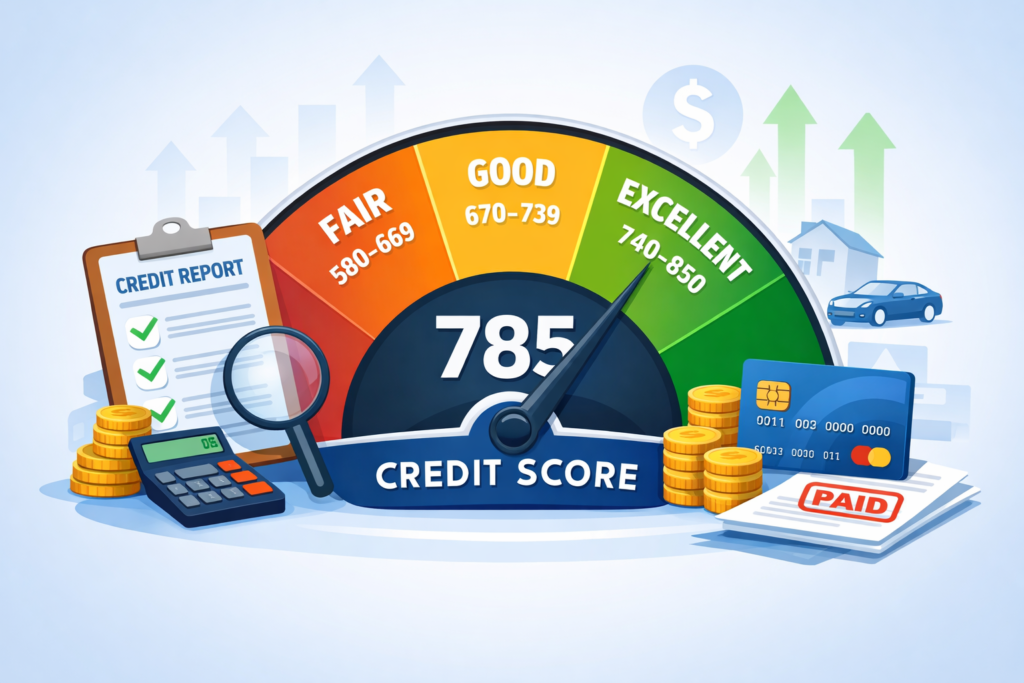
Your credit score plays a major role in your financial life. It affects whether you can qualify for a credit card, rent an apartment, finance a car, or get approved for a mortgage.
Unfortunately, millions of people struggle with low credit scores because they were never taught how the system works.
The good news is that improving your credit score is often much easier than people think. With the right habits and a clear strategy, you can start raising your score in just a few months.
In this guide, we’ll break down the most effective ways to increase your credit score fast and build a stronger financial future.
1. Pay Every Bill on Time
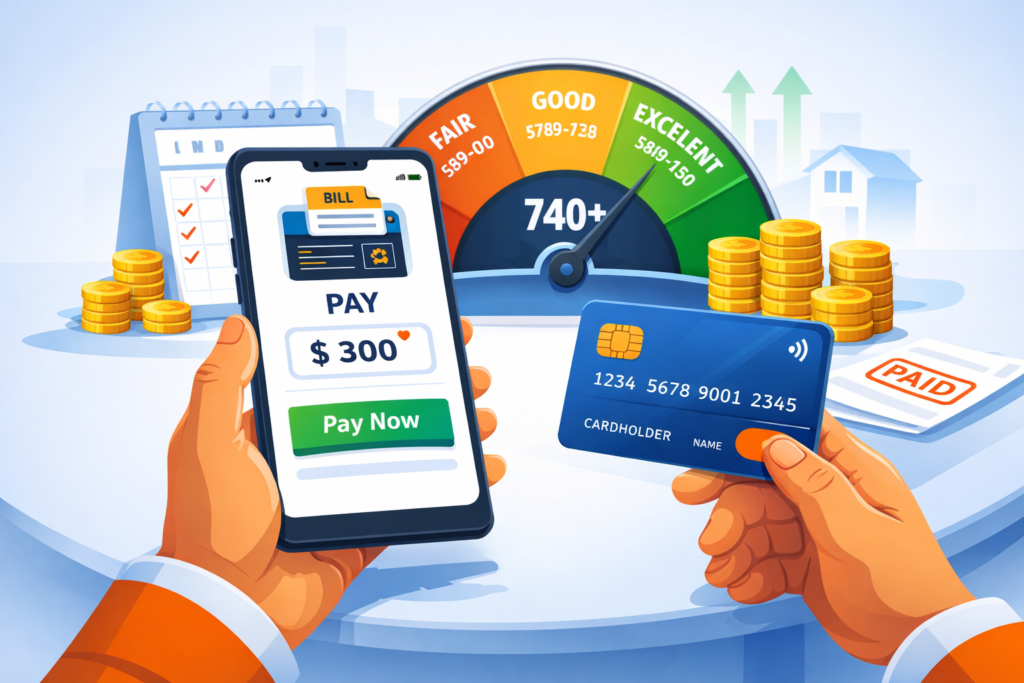
Payment history makes up 35% of your credit score, making it the single most important factor.
Even one missed payment can hurt your score significantly.
Tips to avoid missed payments:
- Set automatic payments
- Use payment reminders
- Pay at least the minimum balance
Consistency is key. The longer you maintain perfect payment history, the stronger your credit profile becomes.
2. Lower Your Credit Utilization
Credit utilization measures how much of your available credit you’re using.
Experts recommend keeping utilization below 30%, but ideally under 10%.
Example:
If your credit card limit is $1,000:
- Good balance: under $300
- Excellent balance: under $100
Lower utilization signals to lenders that you manage credit responsibly.
3. Avoid Closing Old Credit Accounts
The length of your credit history also affects your score.
Closing old accounts can reduce your average credit age, which may lower your score.
Even if you rarely use a card, keeping it open (with occasional small purchases) can benefit your credit profile.
4. Dispute Errors on Your Credit Report
Many people don’t realize that credit reports often contain mistakes.
Common errors include:
- Incorrect late payments
- Accounts that don’t belong to you
- Wrong balances
You can check your report for free through AnnualCreditReport.com.
Correcting errors can sometimes increase your credit score quickly.
5. Become an Authorized User
If a trusted family member has a credit card with good payment history, becoming an authorized user can help build your credit.
Their positive history may appear on your credit report and boost your score.
However, make sure the card has:
- Low balances
- Perfect payment history
- Long account age
6. Limit Hard Credit Inquiries
Each time you apply for new credit, lenders perform a hard inquiry.
Too many inquiries in a short period can lower your score.
Try to space out applications and only apply for credit when necessary.
7. Pay Down Existing Debt
Reducing overall debt improves your debt-to-credit ratio, which helps your score.
Focus on paying off high-interest credit cards first.
Many people use strategies like:
- Snowball method
- Avalanche method
Both can help you eliminate debt faster.
8. Use a Secured Credit Card
If you’re rebuilding credit, a secured credit card can be a powerful tool.
These cards require a small deposit but report your payment activity to credit bureaus.
Over time, responsible usage can help you qualify for traditional credit cards.
9. Monitor Your Credit Score Regularly
Tracking your credit score helps you understand what actions improve or hurt it.
Many banks and credit card companies offer free monitoring.
Watching your score rise can also help keep you motivated.
10. Be Patient and Consistent
Credit improvement doesn’t happen overnight.
However, most people see meaningful improvements within 3–6 months of consistent financial habits.
The key is maintaining discipline and avoiding the mistakes that damage credit scores.
Conclusion
Improving your credit score is one of the most powerful financial moves you can make.
A higher score can help you qualify for better interest rates, better loan approvals, and more financial opportunities.
By paying bills on time, reducing debt, and managing credit responsibly, you can steadily build a strong credit profile and take control of your financial future.